
The Folded Mind Go to the atlas →

● Neuropsychiatry · neuroscience · neuropsychology

A map of the brain, in the language of the clinic.

Where the brain meets the mind: an interactive 3D atlas built from open MRI data, a library on brain structures and diagnoses, and a weekly newsletter that keeps a finger on the pulse of neuropsychiatry research worldwide.

Free · no sign-up · runs in the browser, nothing to install

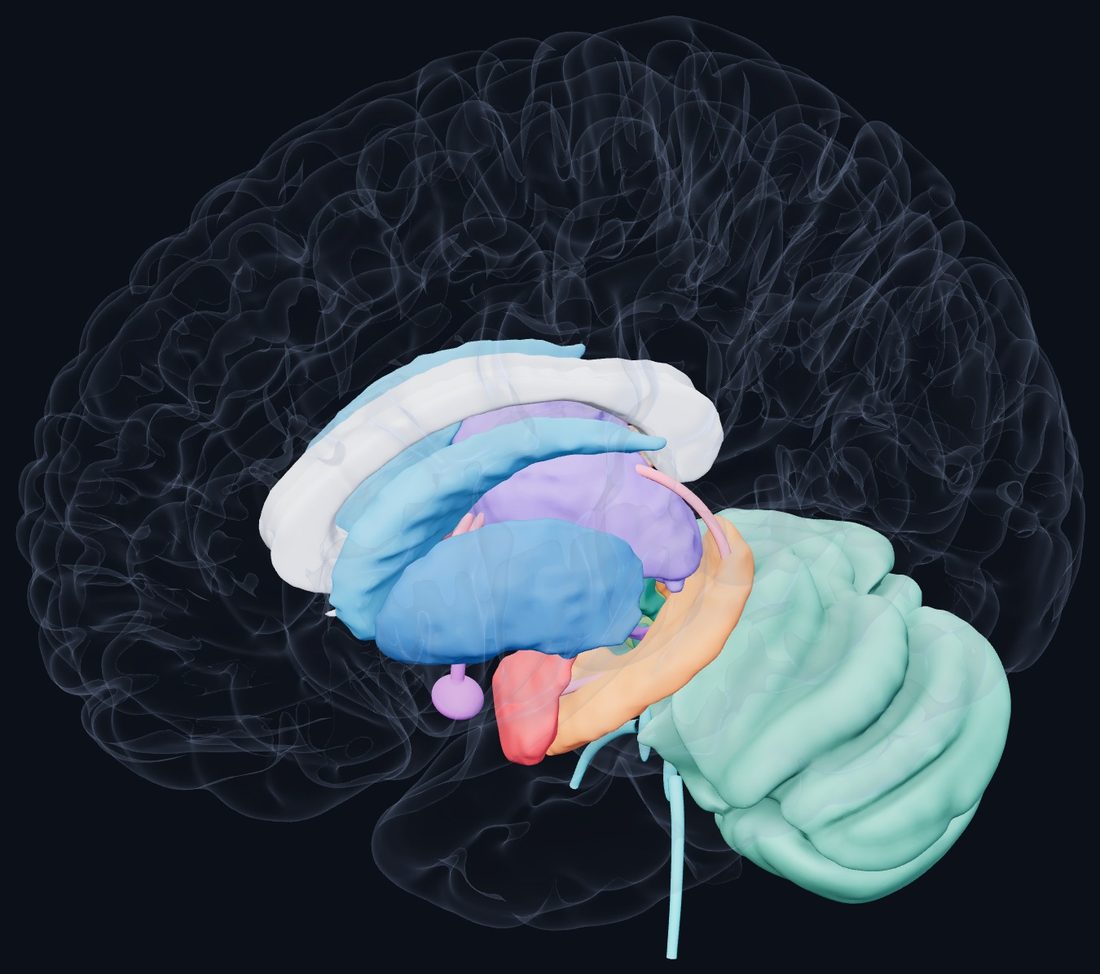
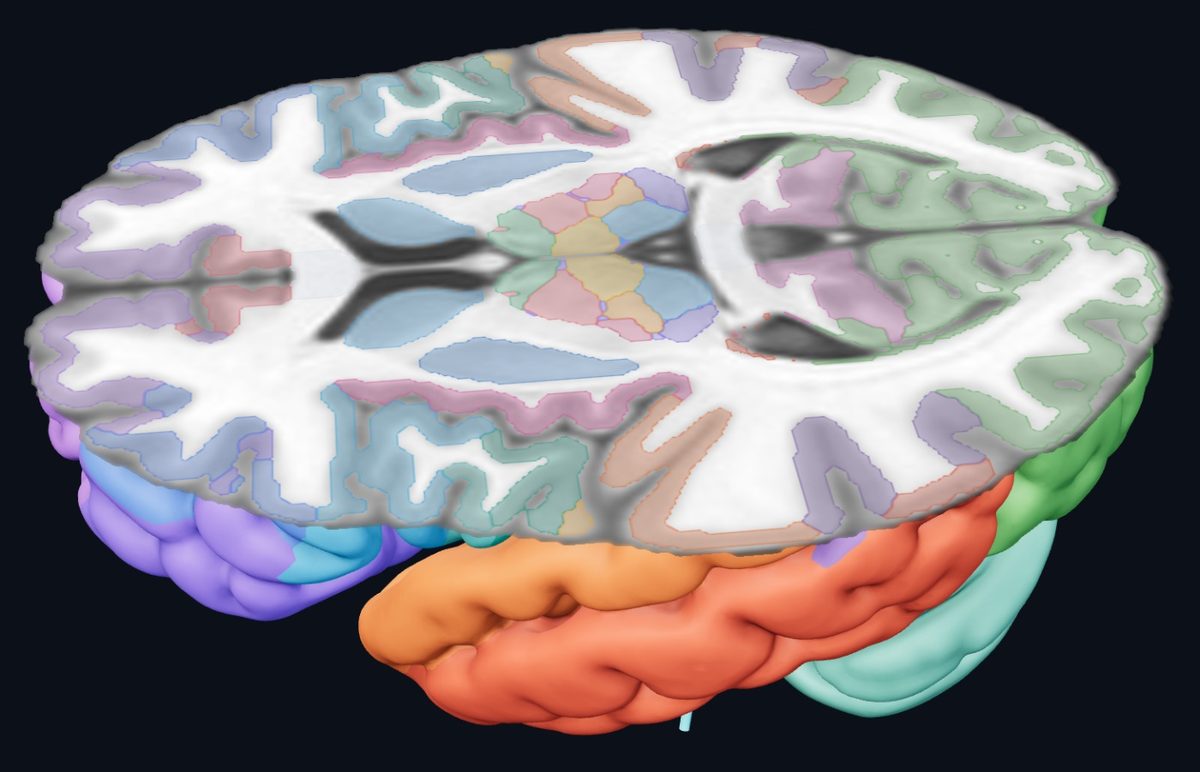
MNI ICBM152 · 2009c 3D model · 360°
  • 65structures: 43 regions and 22 substructures
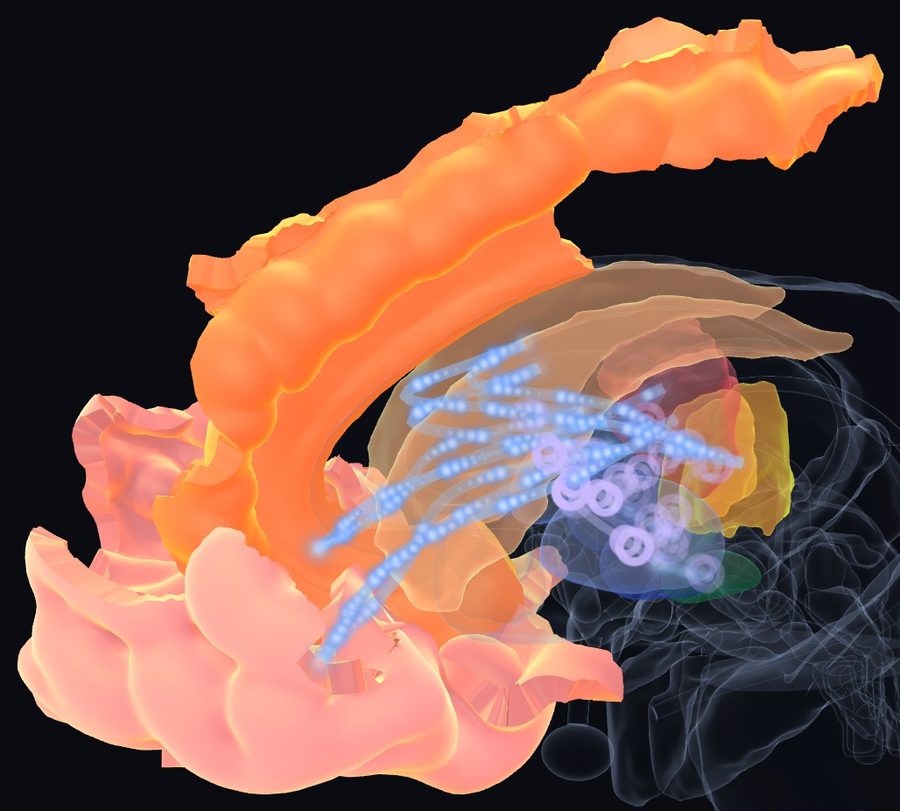
  • 7Panksepp emotional systems with live circuits
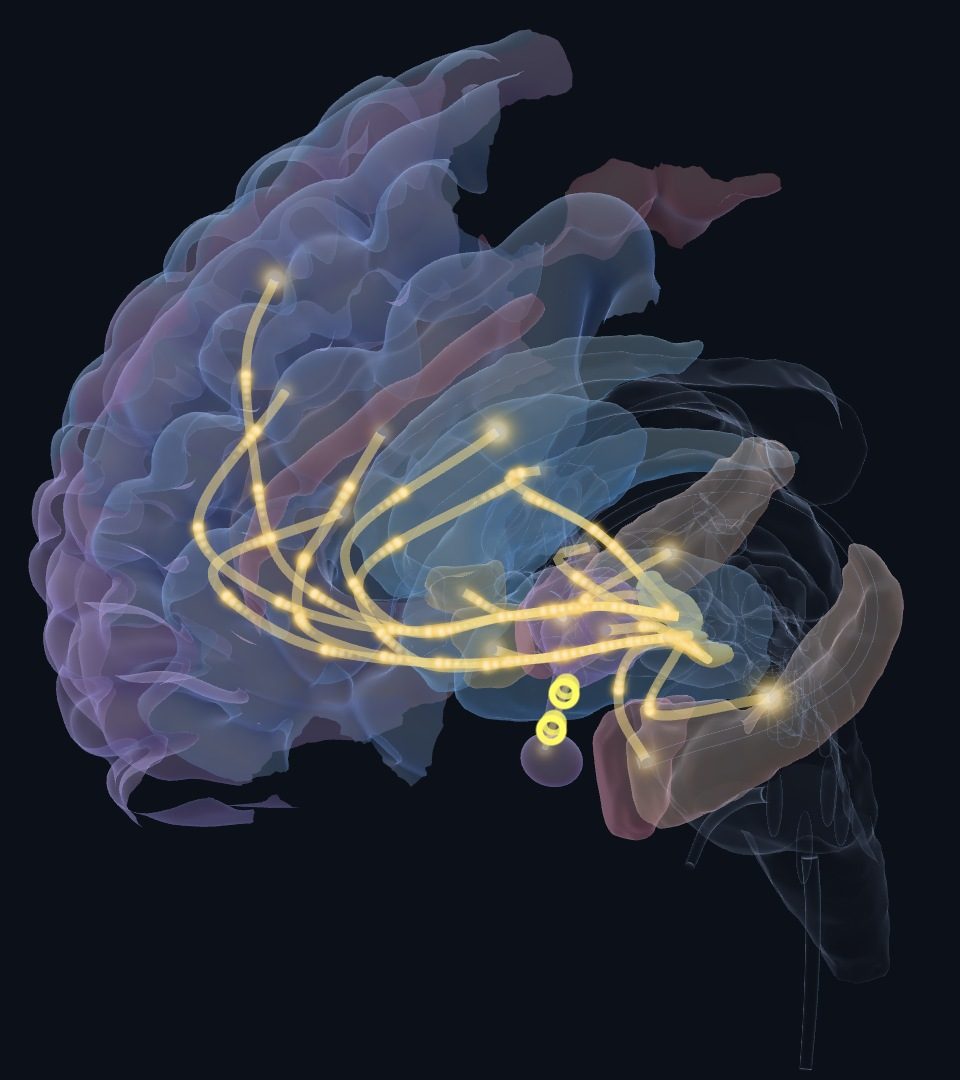
  • 6neurotransmitters’ pathways and 10 book pathways
  • 8large-scale brain networks (Yeo 7 and multiple demand)
  • 10diagnoses, with circuit, findings, symptom and treatment lenses

Library

For those looking for the theory

The atlas's knowledge as readable pages: every structure on its own page, every diagnosis with its circuits; emotional systems, neurotransmitter pathways and brain networks. Every item is referenced and marked with its level of evidence.

Alarge consortium, meta-analysis or regulatory decision
Breplicated studies or a classic case
Ca single or pioneering study, experimental use

Newsletter · weekly

Once a week: what is happening in brain and mind research?

Every week, four studies from the field's leading journals: three clinical, one from neuroscience. Each one short and clear, with its level of evidence and a link to the article.

  • Psychiatry, child and adolescent mental health, neuroscience and neuropsychology
  • Preprints that are not peer reviewed are clearly marked
  • In Turkish and English

Subscribe

Four studies in your inbox every Friday. Free; unsubscribe anytime with one click.

Subscribe on Substack →

Subscriptions are handled by Substack; how your email address is processed is on the legal page.

Community

For everyone curious about both brain and mind

A meeting place for people who love neuropsychiatry, neuroscience and neuropsychology: read, discuss, write.

Medical students

Neuroanatomy in three dimensions, together with function and the clinic; a quick review before exams.

Residents

In psychiatry, child psychiatry and neurology; the circuits targeted by medication and neuromodulation.

Psychologists and therapists

The neural counterparts of emotional systems, attachment and trauma; visuals for explaining them to clients.

Curious readers

A look at where and how emotions such as curiosity, fear, play and grief work in the brain.

What we are planning

Writing

Clinical notes, one structure through the atlas, and guest articles; every structure mentioned will open in the 3D atlas.

Academic

Publications, talks and posters; studies made with the atlas and its use in teaching.

Write with us

We welcome guest writers

Teachers, colleagues and anyone curious about the field: send us your idea for a short, referenced article or a summary of a new study. Every structure mentioned in a piece opens in the atlas with one click.

Dr. Alperen Mert Çetin, önlük ve stetoskopla

Created by

Dr. Alperen Mert Çetin

Resident in child and adolescent psychiatry

From my first day of high school to the day I graduated from medical school, I wanted to be a psychiatrist. What drew me was the richness of abstract thought and theory, the countless questions waiting to be researched and, above all, the unknown of what goes on behind a person’s eyes. That unknown awakens curiosity and a desire to explore; in Panksepp’s language, a state of SEEKING.

In residency, the “why” and “how” questions that kept going unanswered turned me toward the place where thought is produced: the organic side. Affective neuroscience, polyvagal theory, the Bayesian brain, mentalization… The more I read, the more the brain’s processes and regions turned into a heap of words that was hard to picture. That is when I realised how much a psychoanatomy atlas like this was needed.

My aim is not only to offer an atlas you can work with, but to keep a finger on the pulse of neuropsychiatry around the world, to follow the growing neuroscience community and to find a way to take part in its work.

The atlas is free. I would be glad to hear your suggestions, error reports and ideas for collaboration.

Hoping our paths cross in academia.

Contact · email [email protected]
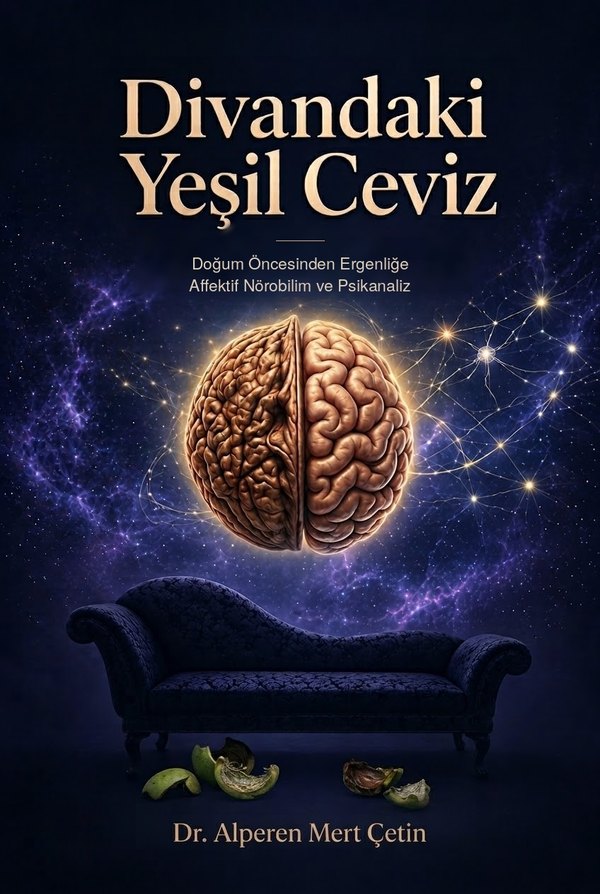
Divandaki Yeşil Ceviz kitabının kapağı

The book

A resident’s notebook

The Green Walnut on the CouchAffective Neuroscience and Psychoanalysis from Before Birth to AdolescenceTurkish original: Divandaki Yeşil CevizStill in progress; it will be made available here when complete.

I bought Panksepp’s 700-page book on affective neuroscience but couldn’t get through it: the translation was heavy going and my attention kept drifting. So I drew up a curriculum for myself instead, seven or eight months of study through both theory and everyday cases, with plenty of free association. I gathered the notes I took after each lesson; enriched with metaphors and creative definitions, they grew into a 260-page resource I have enjoyed working with.

In these notes I tried to bring together the dynamic approach of psychoanalysis and the mechanistic approach of neuroscience; drawing on almost every major theorist, they are written around many topics and diagnoses. Rather than an academic book, think of it as a psychiatry resident’s notebook. I am still working on it, and when it is finished I will make it available here.

The atlas’s “In the book” layer comes from the notes’ Neuroanatomical Correlation chapter: select a region to see where it appears in the notes and which emotional system it relates to.

Happy reading.

Contents · 22 chapterssample pages in chapter 20
  1. Phase 0 — Before Birth: Fetal Programming
  2. Phase 1 — Foundation (0–6 months): Damasio, Freud; OCD and autism
  3. Phase 2 — Deepening (6–12 months): Winnicott, CARE and PANIC/GRIEF, Klein
  4. Mahler: Separation-Individuation
  5. Phase 3 — Integration (1–2 years): Schore, polyvagal theory, Fonagy, Bowlby
  6. Phase 4 — Synthesis: Friston and Solms
  7. Phase 5 — Advanced Integration: from Stern to Bion
  8. SEEKING and PLAY
  9. RAGE
  10. The FEAR System
  11. The LUST System
  12. Oral, Anal and Phallic Stages
  13. The Latency Period
  14. Genital Stage I: Mature Love
  15. Genital Stage II: Identity and Body Schema
  16. Erikson: Eight Stages
  17. Anna Freud: Defenses
  18. Trauma and PTSD in Children
  19. Case Formulation Template
  20. Diagnosis-Based Analyses
  21. Research Proposals

The book is written in Turkish; in the English version of the site and the atlas, its passages are shown in translation.

Start exploring the brain

Works best in a desktop or tablet browser. The model downloads about 13 MB on first load.

Go to the atlas →